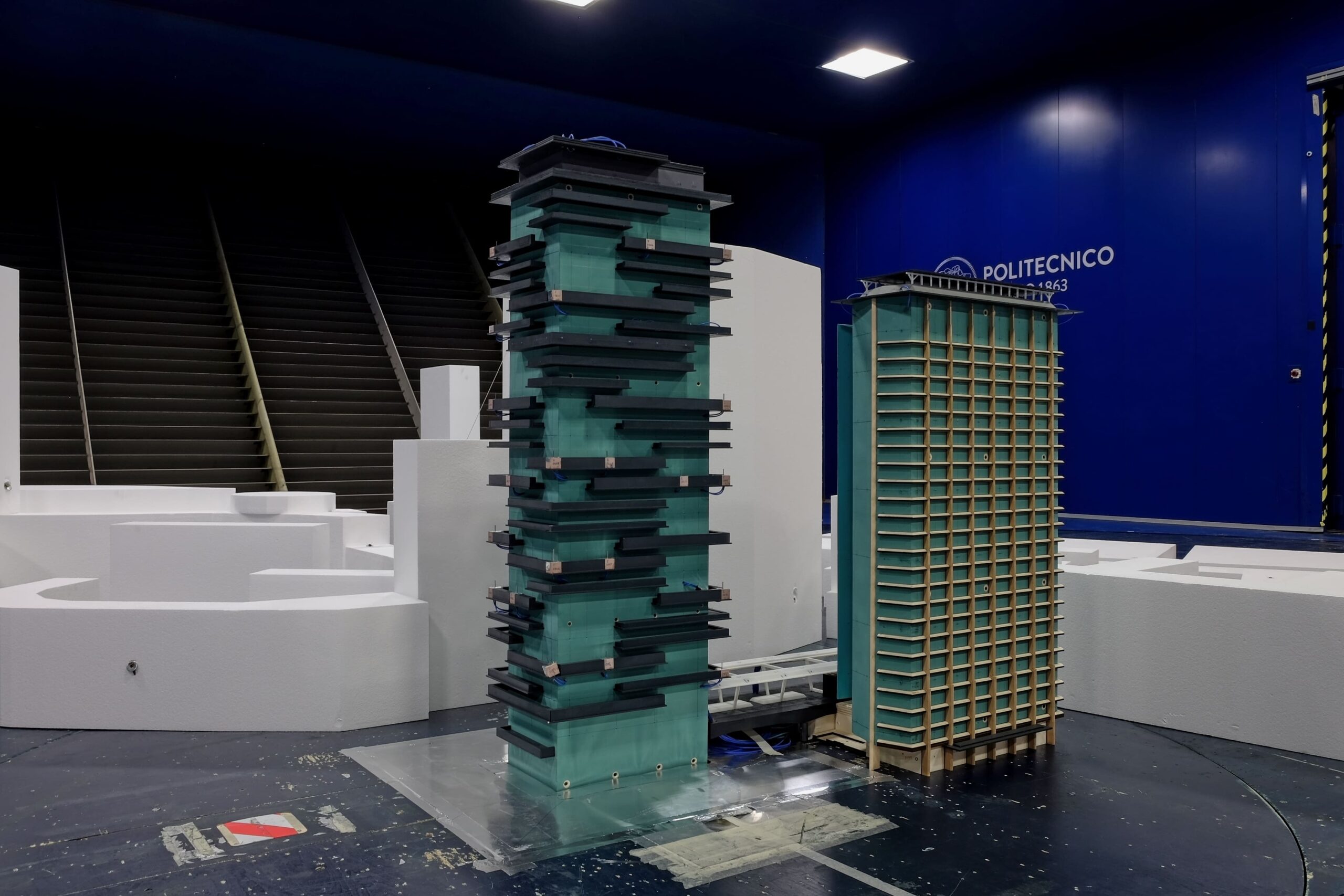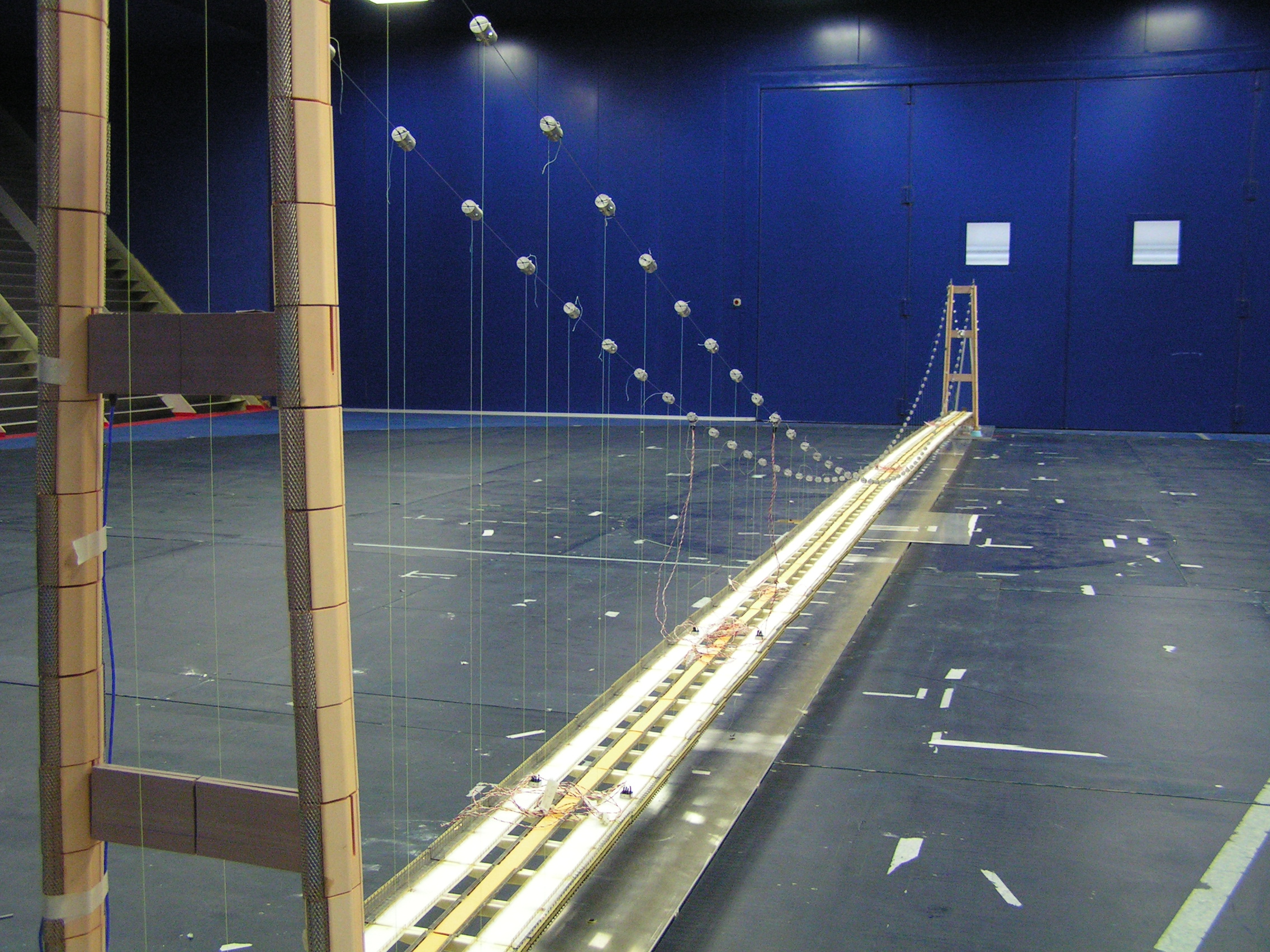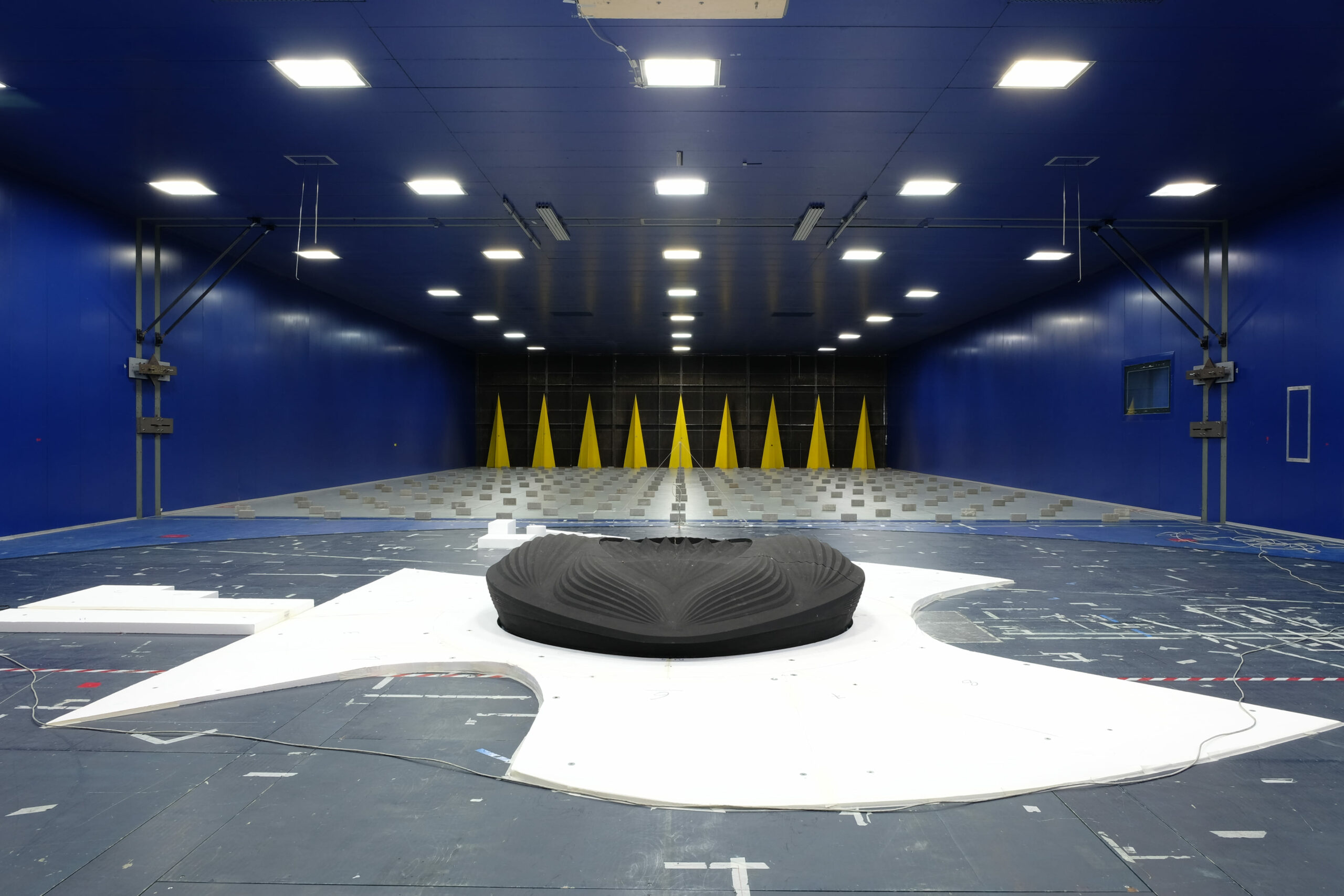

Wind effects play a crucial role in the design of industrial and civil structures. Conducting wind tunnel studies on structures such as tall buildings, towers, large roofs, and long-span bridges provides valuable data for optimal design and helps identify potential wind-induced issues. Indeed, the interaction between fluid and structures can lead to significant dynamic effects that must be considered in the design process.
Wind tunnel studies are particularly recommended for structures with unusual or unique shapes, and they are required for structures not covered by codes (e.g. bridges with span longer than 200m, or buildings taller than 200m). Additionally, wind tunnel tests can be complemented with computational fluid dynamics (CFD) calculations for specific analyses.
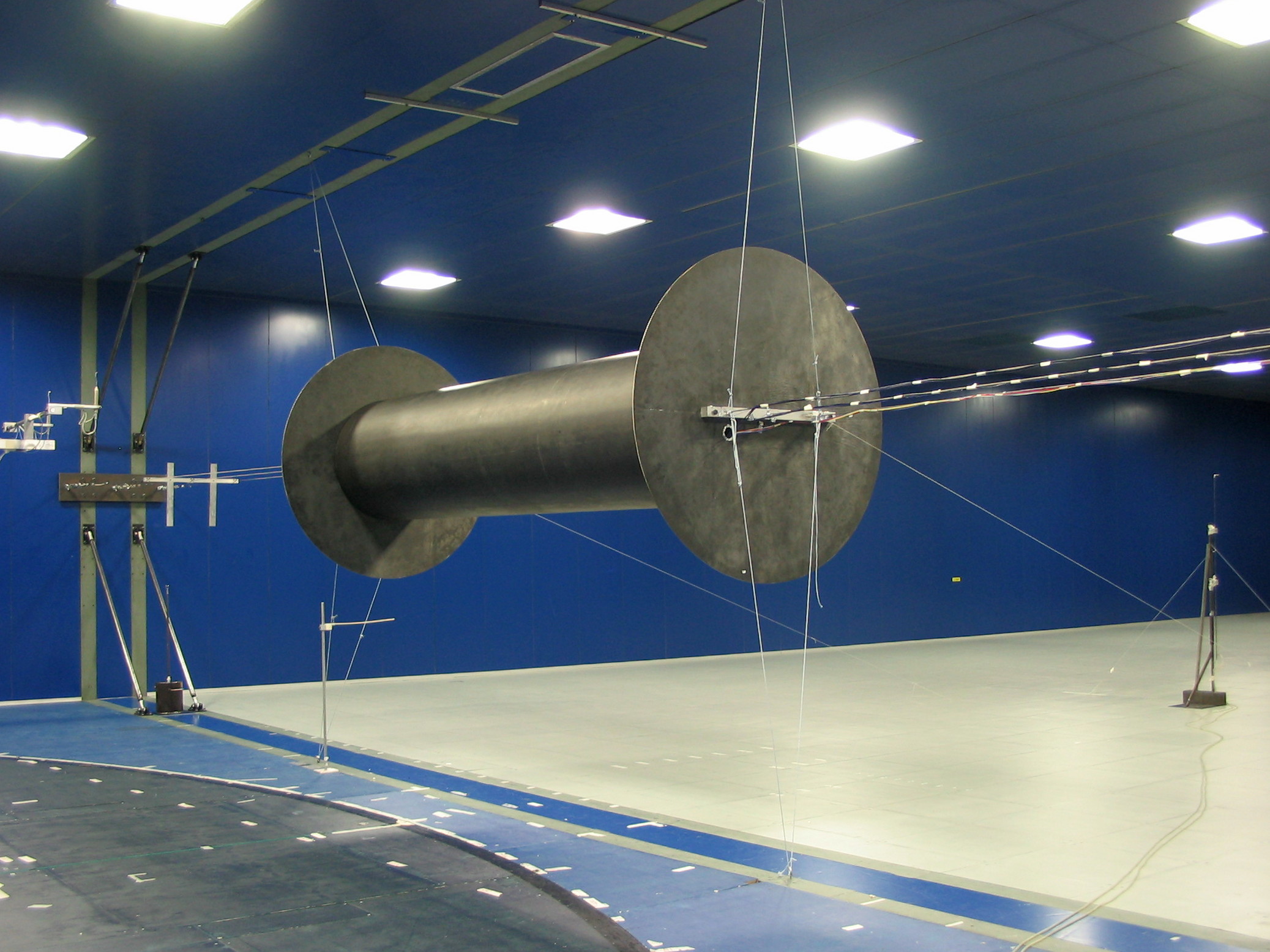
Simulating natural wind is essential for understanding wind effects on built environment. The substantial dimensions of our boundary layer test section allow us to achieve accurate simulations and conduct tests on small-scale models (1/15 to 1/250) with detailed geometric features and surroundings reproduction. Additionally, sectional models are typically used to compute force coefficients and investigate the stability of bridge decks.
Depending on the specific requirements of each study, various types of measurements can be performed: from pressure and force measurements, typically conducted on rigid models, to vibration measurements for aeroelastic models.