
The assessment of possible wind-induced vibrations is a crucial step in the design of Overhead High Voltage Transmission Lines (OHVTL) and cable structures such as suspension and stayed bridges, guyed masts and observation wheels.
The main problems related to wind induced motion in cables include: Aeolian vibrations (vortex induced vibrations), wake-induced oscillations or subspan oscillations, and galloping instabilities.
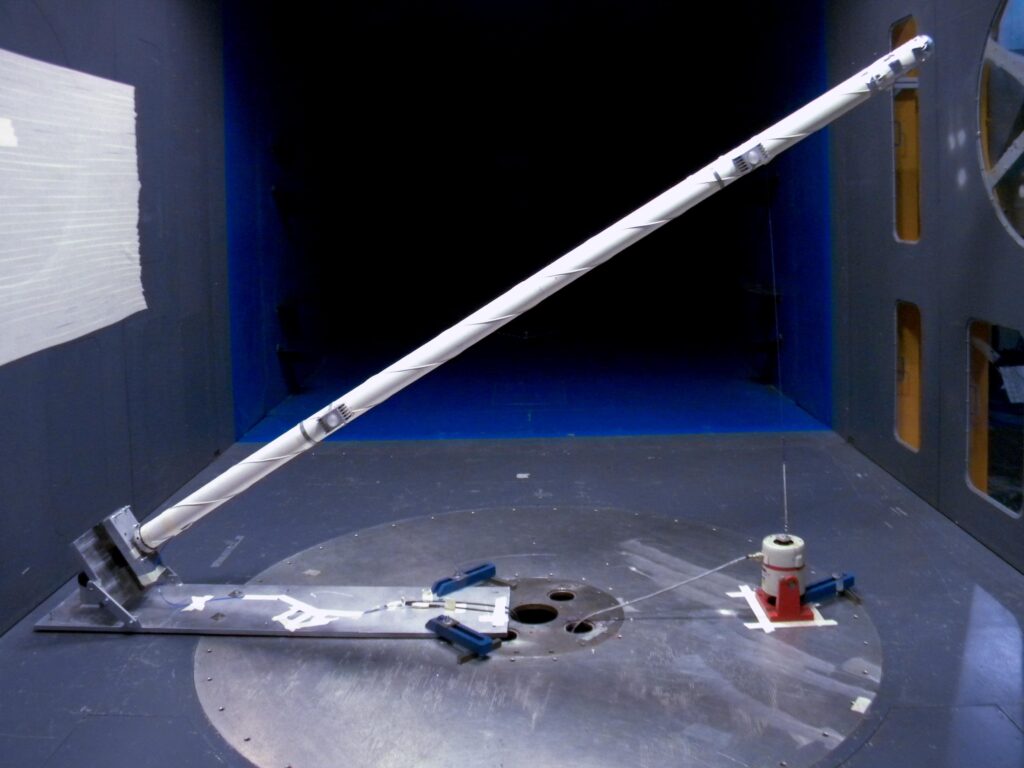
These phenomena differ in their energy transfer mechanisms, wind speed range of occurrence, structural frequencies involved and maximum oscillation amplitude level experienced. Moreover, the inclined nature of stay cables in bridges may introduce unique cable aerodynamic phenomena, such as rain-wind-induced cable vibrations, high-speed vortex excitation, and dry inclined cable galloping. Ice accretions in conductors of transmission lines may also induce galloping instability phenomena.
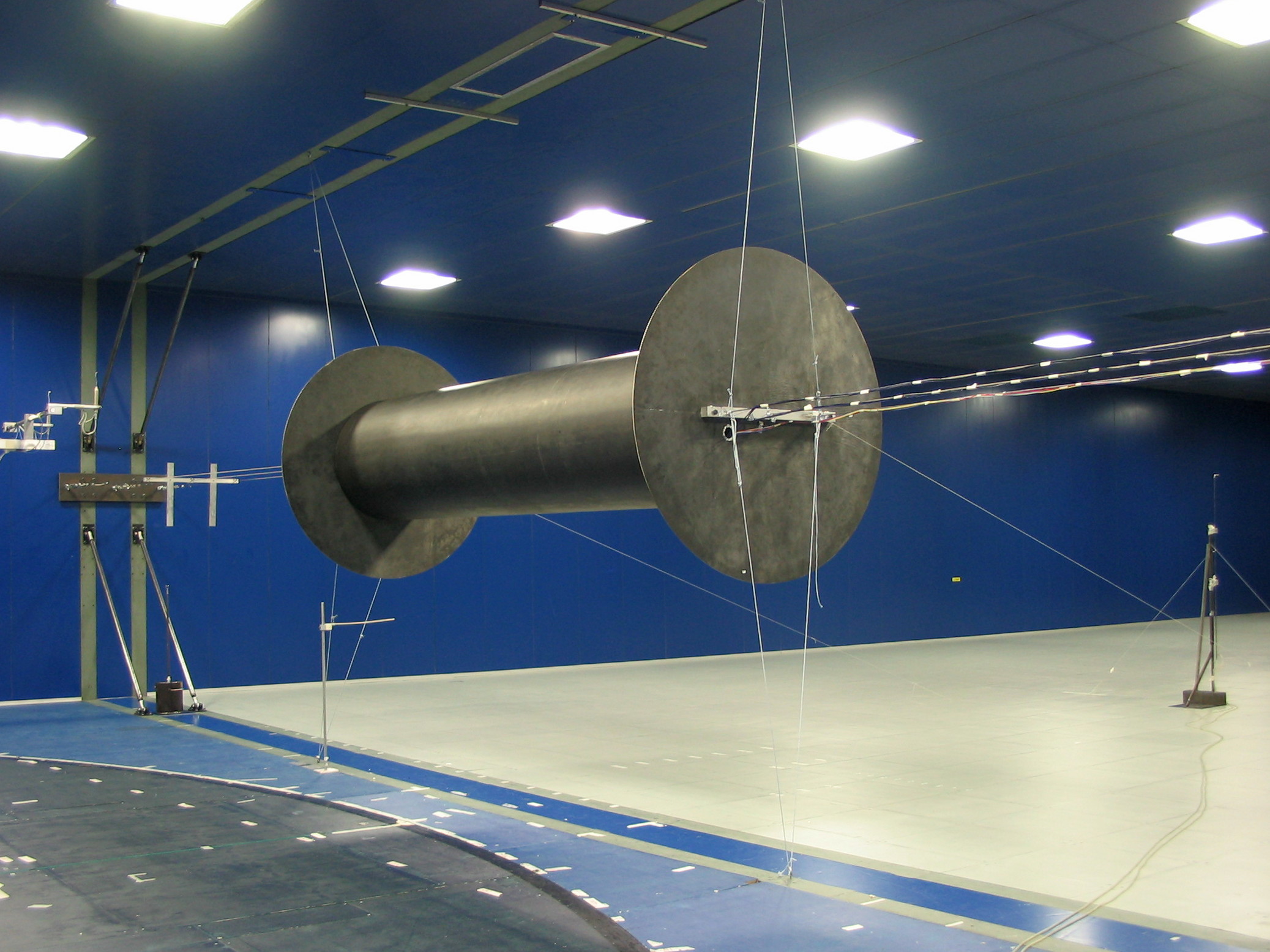
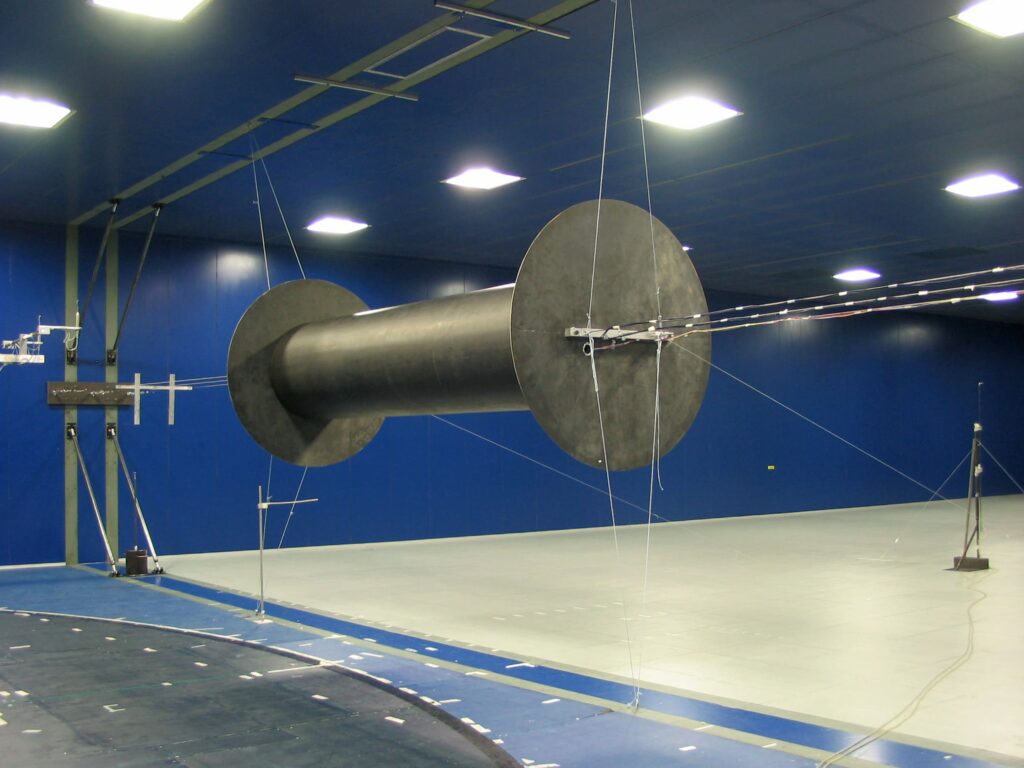
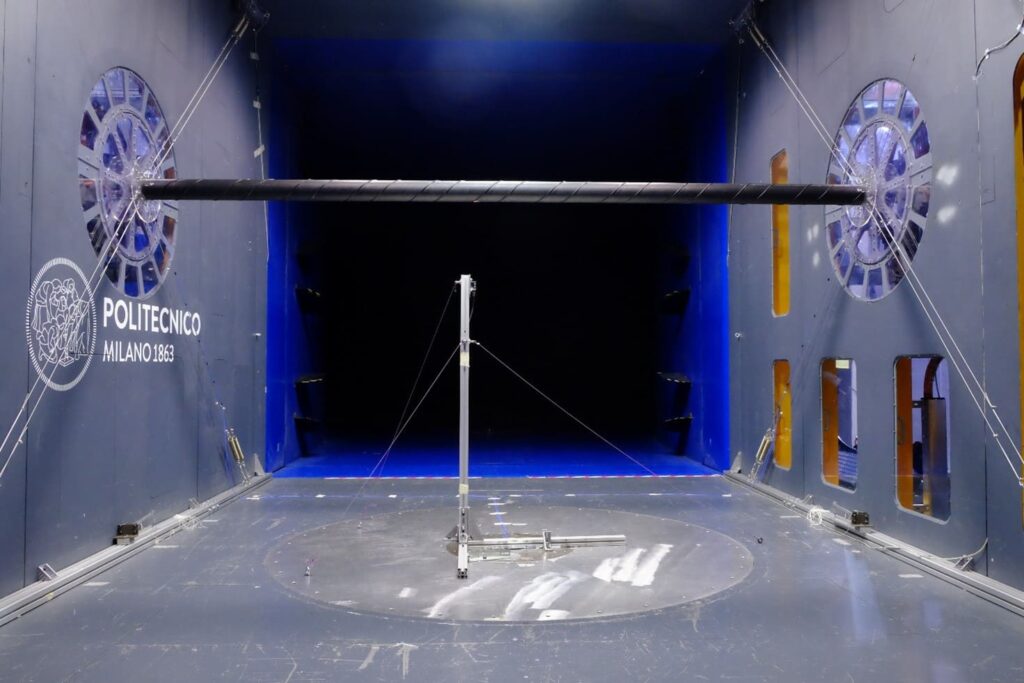
Wind tunnel tests on circular cylinders facilitate basic research into these fluid-structure interaction phenomena and their engineering implications. Both scaled and full-scale models can be tested in both static and dynamic conditions.