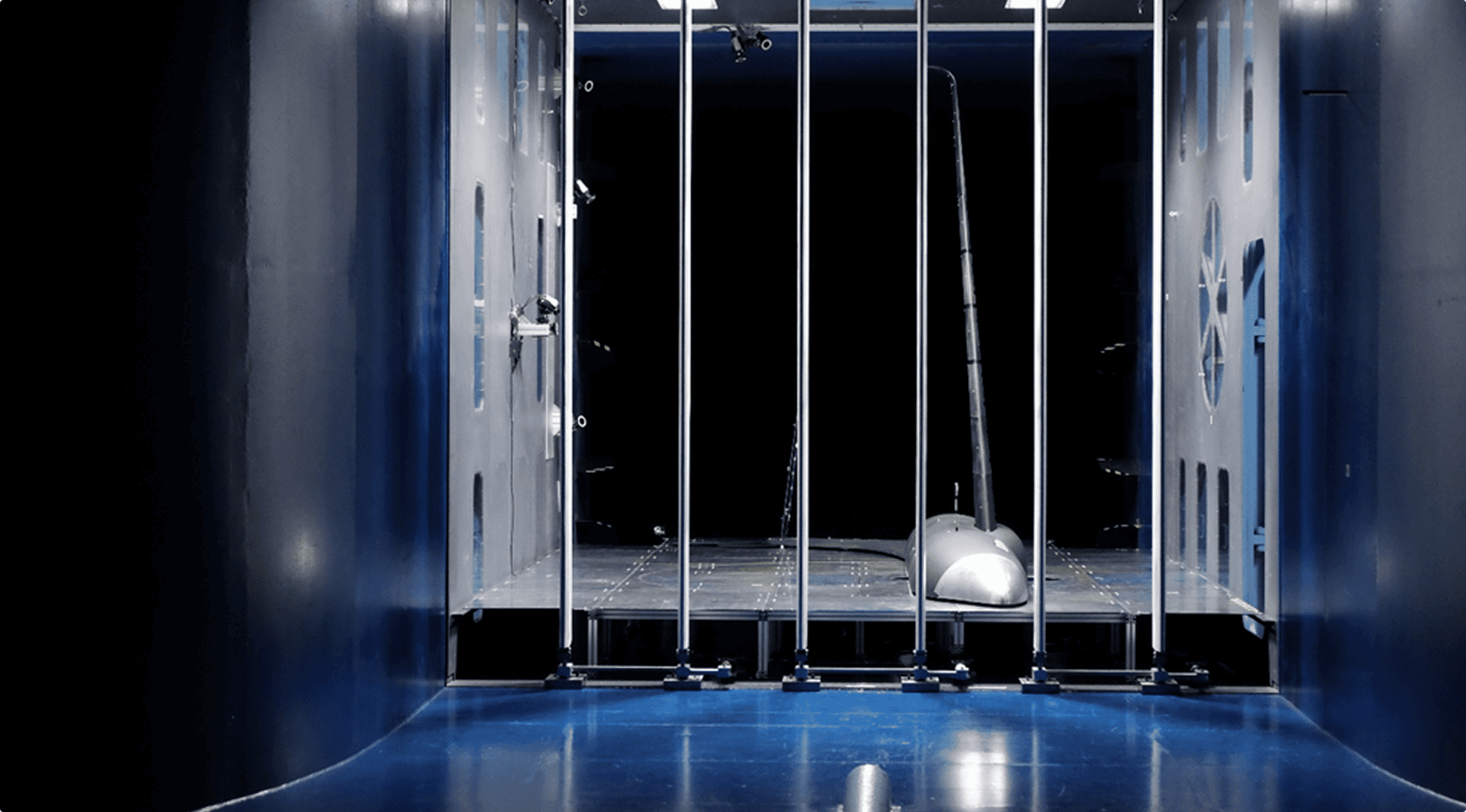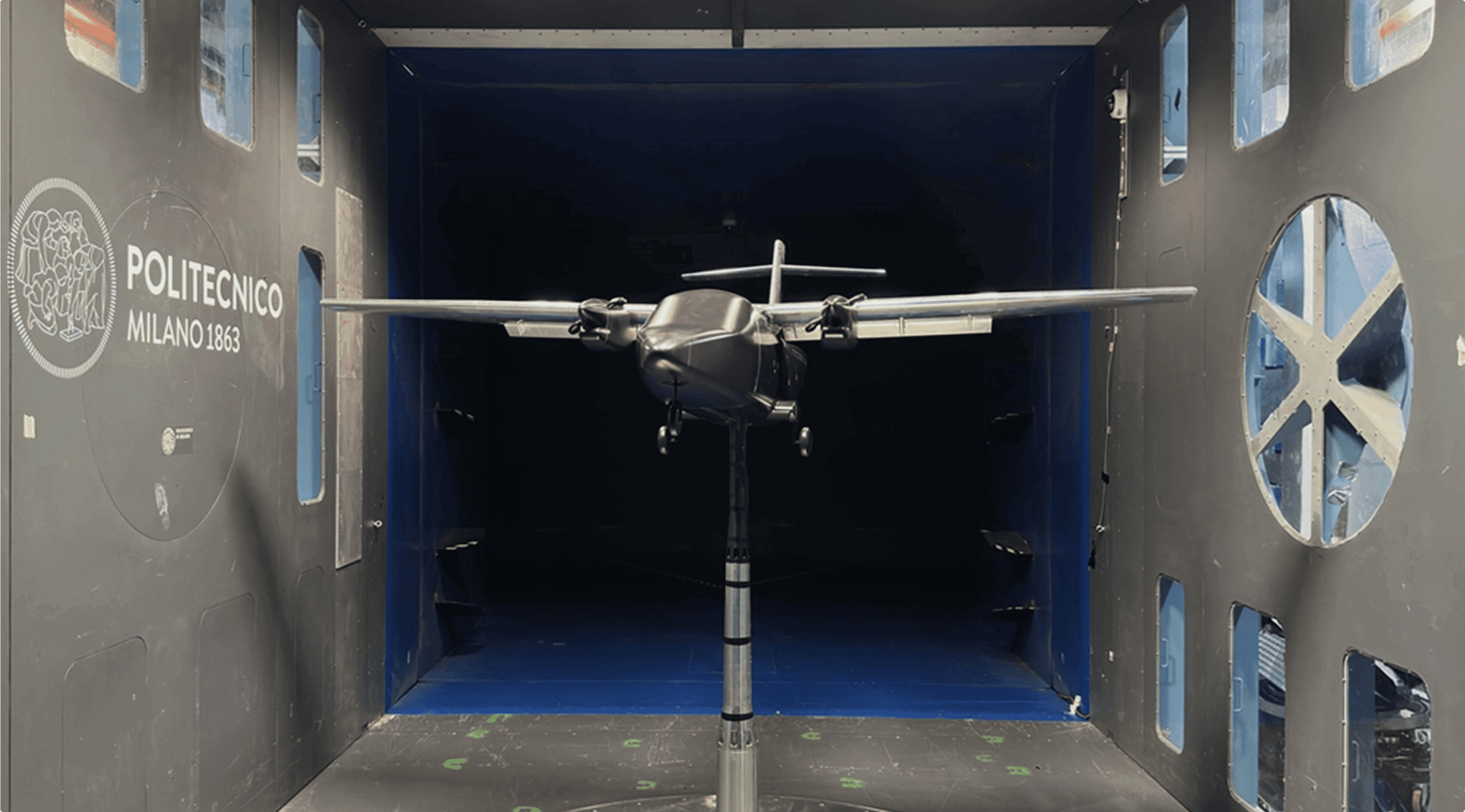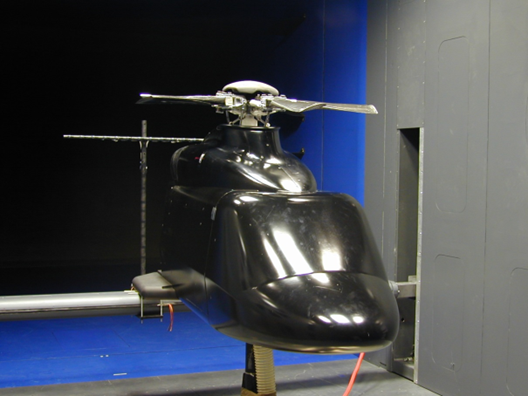
Despite significant advancements in Computational Fluid Dynamics (CFD), wind tunnel testing remains a vital component of aeronautical development, providing essential validation for complex flow fields such as those encountered in rotorcraft and eVTOL aircraft. These tests allow engineers to evaluate aerodynamic performance, pressure distributions, and flow behavior under controlled conditions across the flight envelope without risking full-scale prototypes. The empirical data derived from wind tunnels is indispensable for calibrating and refining computational models, ensuring accuracy before production and certification. The GVPM facility is a traditional closed-circuit plant with a unique spatial organization where the return circuit serves as a large chamber for wind engineering at 16 m/s, while two interchangeable 4x4x6 m test rooms reach speeds of 55 m/s for aeronautical applications. Although this velocity range excludes the transonic regime, the GVPM offers three distinct technical advantages. First, the large test sections permit the testing of large-scale or even full-scale components, reducing scaling discrepancies. Second, the speed envelope is perfectly optimized for the typical operational velocities of modern rotorcraft and eVTOLs. Finally, the 1.5 MW flow generation system, consisting of 14 fans, is fully protected by a steel grid. This structural resilience is a specialized advantage for aeroelastic testing, as it shields the propulsion unit from potential damage caused by model failure or structural divergence. By integrating these high-fidelity physical results with computational methods, the GVPM facility accelerates design optimization and supports the rigorous certification processes required for next-generation aerospace platforms.